Dolby Atmos and traditional stereo earbuds represent two different approaches to personal audio. Both deliver excellent listening experiences, but they are designed for different types of use. Understanding how these formats work makes it easier to choose the right earbuds for your habits—whether that means everyday desk listening, commuting, or immersive home entertainment.
The audio format supported by your earbuds directly affects how music, movies, and calls sound. While stereo remains the most widely used format, newer spatial audio technologies like Dolby Atmos introduce greater depth, realism, and directional sound placement.
Choosing the right format helps align your expectations with your actual listening experience—whether you prioritize simplicity and efficiency or immersion and cinematic impact.
Stereo earbuds use two audio channels: left and right. This creates a wide horizontal soundstage that delivers clear and balanced audio for everyday use.
Most content—music, podcasts, videos, and phone calls—is still mixed in stereo, making stereo earbuds universally compatible across devices and platforms.
Works with all devices and streaming services
Clear, reliable sound for everyday listening
Lower power consumption than spatial formats
Ideal for playlists, podcasts, and standard video content
Dolby Atmos is an object-based audio format. Instead of limiting sound to two channels, it treats individual sounds as “objects” that can be placed anywhere around the listener in three-dimensional space.
This allows compatible earbuds to simulate sound coming from above, behind, or beside you—creating a more dynamic and immersive experience for movies, gaming, and Atmos-mixed music.
Creates 3D spatial sound when supported by compatible hardware and content
Enhances immersion for movies, TV shows, and games
Adds depth and height not possible with standard stereo
Popular with home theater users and advanced audio listeners
Understanding how each format works highlights their core differences.
Stereo audio routes sound through two fixed channels—left and right. This creates a flat, horizontal soundstage that remains consistent regardless of head movement.
Dolby Atmos assigns positional data to each sound object. Compatible earbuds and playback devices then render those sounds dynamically around the listener in three dimensions, adding height and depth that stereo cannot reproduce.
Stereo: Two fixed channels, wide horizontal stage
Dolby Atmos: 3D object-based sound with directional height and space
With stereo earbuds, sound remains fixed between the left and right channels. Music, dialogue, and effects sound clear but stay anchored to a single horizontal plane.
With Dolby Atmos earbuds, sound moves around the listener. Instruments can feel layered in space, footsteps may appear above or behind you, and environmental effects feel more realistic. In gaming, this added spatial accuracy can improve directional awareness and reaction time.
Stereo audio is universally supported across virtually all devices and platforms.
Dolby Atmos playback requires three components:
Earbuds or speakers that support spatial audio processing
A playback device that supports Dolby Atmos
Content that is mixed in Dolby Atmos
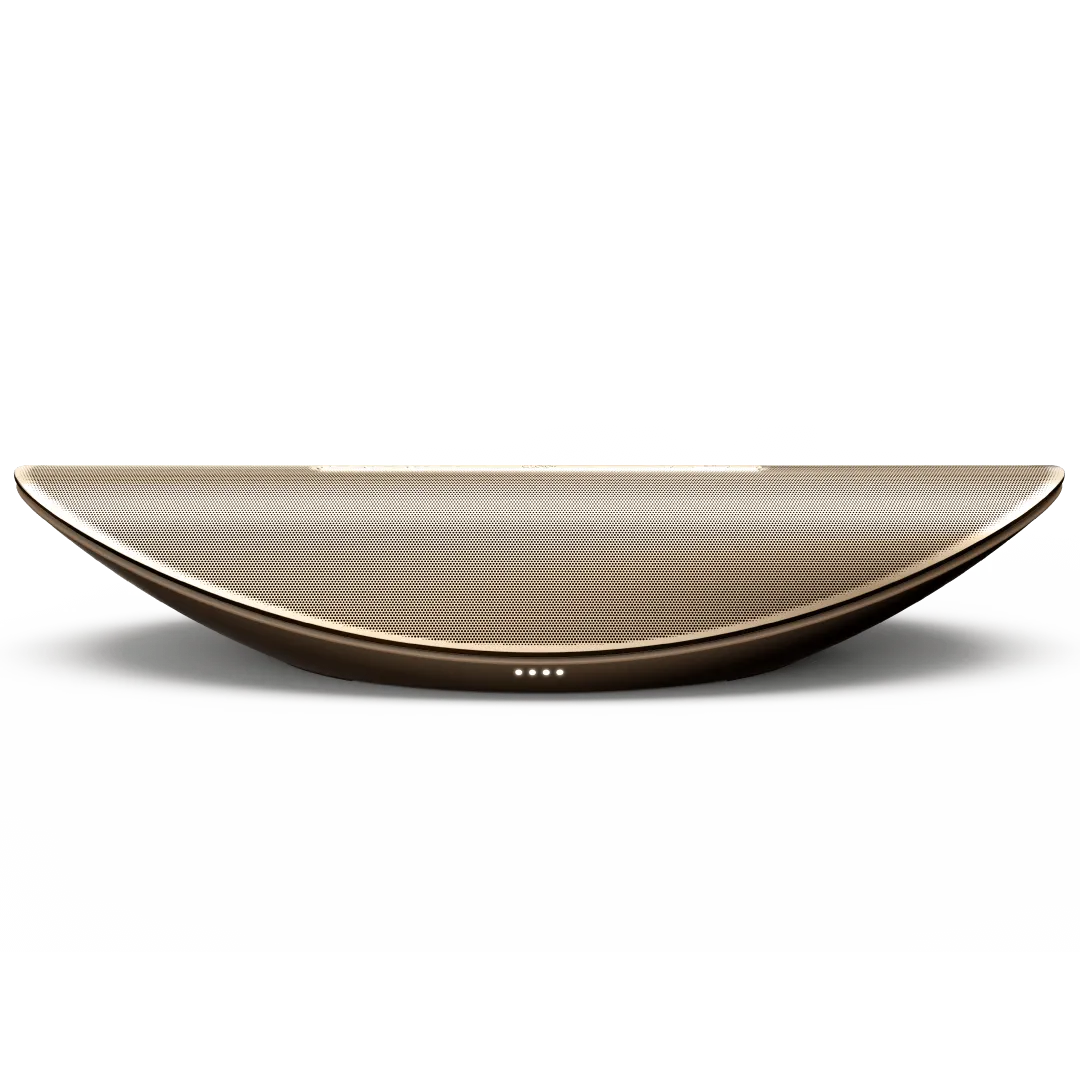
Streaming platforms such as Netflix, Apple Music, and Disney+ now offer growing Atmos libraries. Devices like the Crescent Smart Speaker support both stereo and spatial formats, allowing correct playback for either type of content.
Choosing between stereo and Dolby Atmos often comes down to how and where you listen.
Daily music, podcasts, and video viewing
Users who want full device compatibility
Budget-conscious buyers
Long battery life and efficient performance
Movie enthusiasts seeking cinematic sound
Gamers who benefit from directional audio cues
Users who stream spatial audio content
Tech enthusiasts who prioritize immersive sound
Dolby Atmos processing requires more digital signal processing than stereo. As a result, spatial audio playback may use slightly more battery power.
However, real-world battery life is influenced more by factors such as:
Active noise cancellation (ANC)
Volume levels
Bluetooth signal strength
Background app activity
In general, stereo earbuds may offer marginally longer playback due to simpler audio processing.
Stereo earbuds are available at every price level, from entry-level to premium, and are generally less expensive to manufacture due to simpler audio processing requirements.
Dolby Atmos earbuds often appear in higher-priced models due to:
Advanced digital signal processors
Spatial audio licensing
Enhanced hardware tuning
As a result, Atmos capability is most commonly found in premium earbuds and high-end smart speakers.
Both Dolby Atmos and stereo earbuds deliver excellent sound when matched to the right use case.
Choose stereo earbuds if you value simplicity, universal compatibility, extended battery life, and affordability.
Choose Dolby Atmos earbuds if you prefer immersive sound, cinematic depth, and next-generation audio experiences.
The best choice is the one that enhances how you personally enjoy your entertainment. Both formats serve their purpose well and continue to evolve with modern audio technology.


 UNITED STATES
 CANADA